








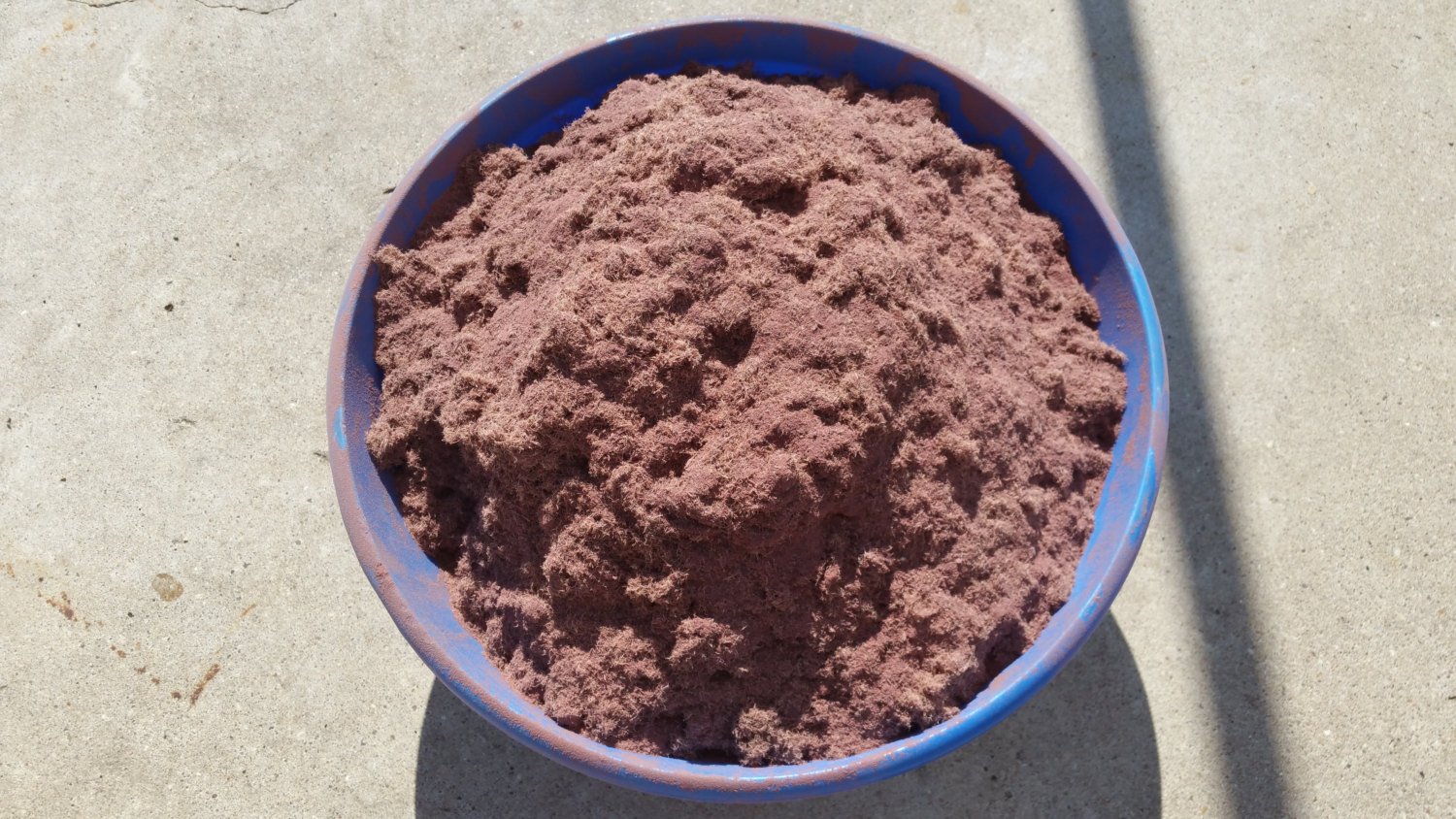
Natural dyeing is a craft built on patience, creativity, and the magic of plant-based pigments. Among the many botanical materials used by artisans, Mimosa hostilis root bark stands out for its exceptional color depth and reliability. Whether you’re crafting earthy textiles or exploring new dye techniques, learning how to use Mimosa hostilis root bark can open the door to a stunning palette of rich reds, purples, and browns.
- Understanding the Dye Potential of Mimosa Hostilis Root Bark
- Preparing Your Fibers for Dyeing
- Creating the Dye Bath
- Dyeing Techniques for Deep and Rich Colors
- Achieving Professional-Level Results
- Eco-Friendly Advantages of Mimosa Hostilis Root Bark
- Troubleshooting Common Dyeing Challenges
- Conclusion
Understanding the Dye Potential of Mimosa Hostilis Root Bark
Mimosa hostilis root bark contains natural tannins and pigments that bind beautifully to both plant and protein fibers. When processed correctly, the bark releases a concentrated dye that produces exceptionally durable shades. The high tannin content means Mimosa hostilis root bark works well with cotton, linen, wool, and silk, giving artisans flexibility across a range of projects.
Because the material is so pigment-rich, only a moderate amount of Mimosa hostilis root bark is required to achieve bold colors—making it both cost-effective and efficient for small and large dye baths.
Preparing Your Fibers for Dyeing
Washing and Scouring
Before dyeing, fabrics should be washed thoroughly. Any oils or residues can prevent the color from binding evenly. Cotton may need a gentle scouring process to prepare the fibers properly for Mimosa hostilis root bark dye.
Mordanting for Better Absorption
Although Mimosa hostilis root bark already contains strong tannins, mordanting helps produce deeper and more lasting results. Alum is a common choice for most fibers. Protein fibers like wool and silk often absorb the pigments from Mimosa hostilis root bark even more readily when pre-treated with a light mordant bath.
Creating the Dye Bath
Extracting Pigment
To extract color, gently simmer Mimosa hostilis root bark in water for one to two hours. A slow extraction prevents burning the bark and encourages the release of richer pigments. Some artisans soak Mimosa hostilis root bark overnight before heating to produce an even more saturated liquid.
Straining the Mixture
Once the color has developed, strain the liquid to remove any solid pieces. A clean, debris-free dye bath ensures that Mimosa hostilis root bark pigments attach evenly to your fibers without patchiness. The resulting liquid should appear deep red or burgundy, indicating a strong dye concentration.
Dyeing Techniques for Deep and Rich Colors
Immersion Dyeing
Lower your pre-soaked fibers gently into the dye bath, allowing them to move freely. Maintaining a warm, steady temperature is essential—extreme heat can damage fibers or shift the tone. Stir occasionally so the Mimosa hostilis root bark color is absorbed evenly.
Longer dyeing times create deeper shades. Some dyers leave fibers in the bath for several hours, while others let them soak overnight for maximum color intensity.
Layered Dyeing
Layering produces complex tone variations. By dipping the textile multiple times into a bath made from Mimosa hostilis root bark, you can build darker layers or create gradient effects. This method works especially well for wool and silk.
Adjusting the Shade
Metal modifiers such as iron can darken the pigment from Mimosa hostilis root bark, shifting colors toward charcoal or deep plum. Meanwhile, alum enhances brighter, more vibrant tones. Testing small samples will help you determine your preferred finish.
Achieving Professional-Level Results
Fiber Selection
Different fibers absorb pigment at different rates. Cotton tends to produce softer hues, while wool and silk draw out the richest tones from Mimosa hostilis root bark. If you aim for dramatic, deep colors, these protein fibers are excellent choices.
Water Quality
Water mineral content can influence your results. Hard water may darken or dull certain shades. When working with Mimosa hostilis root bark, conducting a quick swatch test can help you anticipate color variations before you dye an entire piece.
Consistent Ratios
Professionals often maintain consistent ratios of Mimosa hostilis root bark to fiber. A common starting point is equal weight of fiber to bark, though doubling the bark can produce extremely concentrated results.
Eco-Friendly Advantages of Mimosa Hostilis Root Bark
One reason eco-conscious artisans appreciate Mimosa hostilis root bark is its natural origin. As a plant-based material, it offers a sustainable alternative to synthetic dyes. The dye bath can often be reused for lighter shades, reducing waste. Once fully exhausted, it breaks down naturally and can be disposed of responsibly.
Using Mimosa hostilis root bark supports low-impact craft traditions and encourages mindful textile production. For anyone committed to sustainable practices, it is one of the most effective and environmentally sound dye materials available.
Troubleshooting Common Dyeing Challenges
If your colors come out lighter than expected, the dye bath may need more time to extract pigment from Mimosa hostilis root bark. Simmering longer or adding fresh bark can solve the issue. Uneven coloring often results from overcrowding the pot or insufficient stirring.
Dull shades may indicate that the fibers weren’t adequately cleaned before dyeing. In such cases, rewashing and redyeing in a fresh Mimosa hostilis root bark bath can restore vibrancy.
Conclusion
Working with Mimosa hostilis root bark is one of the most rewarding ways to create deep, rich natural colors in textiles. With its high tannin content, strong pigmentation, and eco-friendly benefits, Mimosa hostilis root bark gives artisans exceptional control and stunning results. By understanding preparation, extraction, and dyeing techniques, you can confidently achieve bold, lasting shades in any project. Let Mimosa hostilis root bark be your gateway to natural dyeing that is both beautiful and sustainable.