







Managing stormwater effectively is a growing challenge for urban planners and civil engineers alike. As cities expand and impervious surfaces increase, the need for efficient water management solutions becomes critical. Stormwater detention modules have emerged as a vital technology to address this challenge, offering a sustainable and reliable method to control stormwater runoff. At HOENSOEY, we specialize in providing high-quality stormwater detention modules designed to withstand extreme loads while ensuring long-term performance.
- What Are Stormwater Detention Modules?
- Key Benefits of Stormwater Detention Modules
- Applications of Stormwater Detention Modules
- Design Considerations for High-Performance Stormwater Detention Modules
- Advantages Over Traditional Stormwater Detention Methods
- Why Choose HOENSOEY Stormwater Detention Modules
- Conclusion
What Are Stormwater Detention Modules?
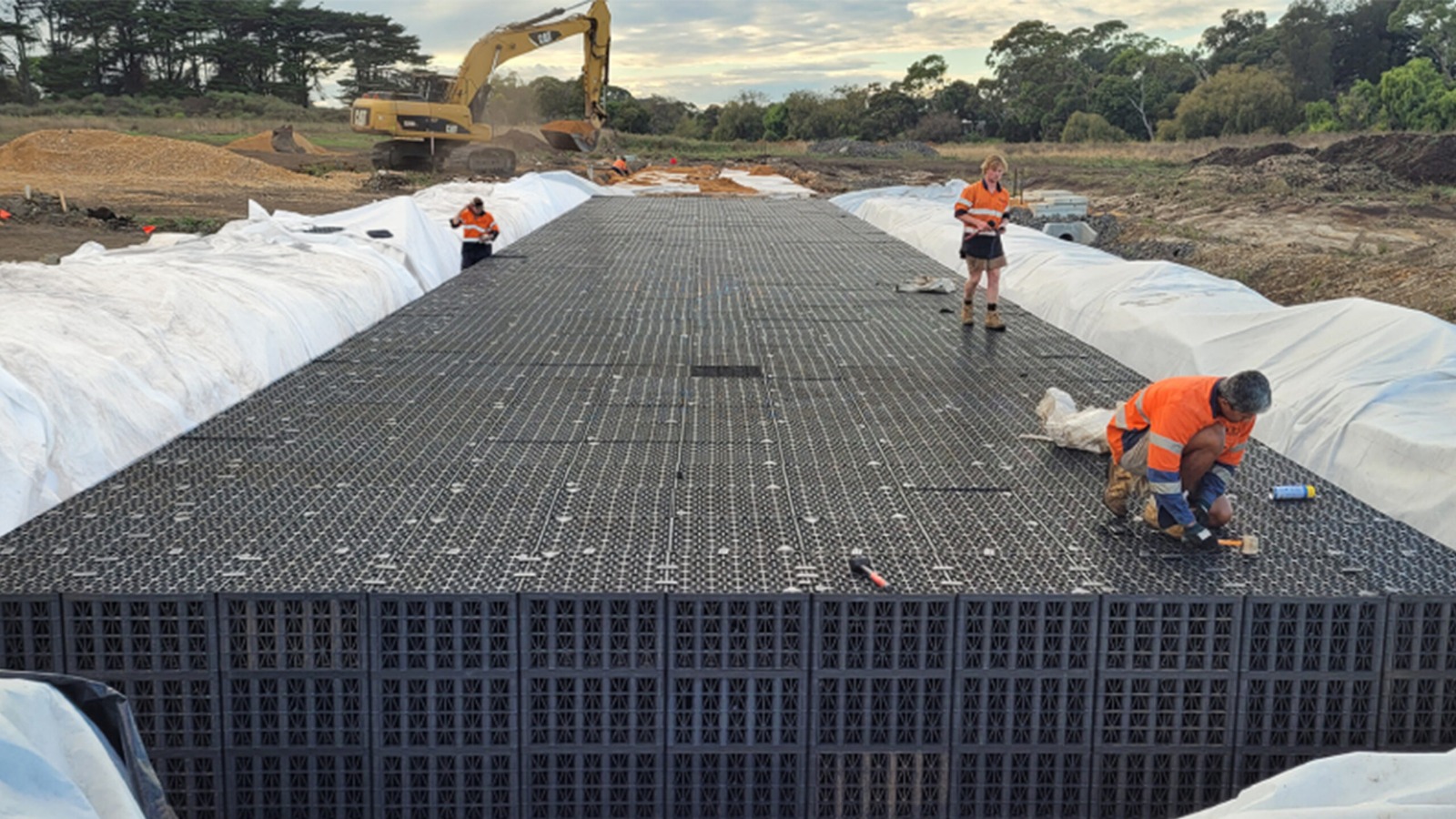
Stormwater detention modules are engineered systems designed to temporarily store and control stormwater during heavy rainfall events. These modular structures provide an underground storage solution, reducing surface flooding and mitigating the risk of erosion. Unlike traditional detention basins, these modules are compact, easy to install, and adaptable to various site conditions. By using durable materials with high compressive strength, stormwater detention modules can support heavy loads from traffic, buildings, and landscaping above, making them ideal for urban and industrial applications.
Key Benefits of Stormwater Detention Modules
Investing in stormwater detention modules offers numerous advantages:
- High Load-Bearing Capacity: HOENSOEY modules are engineered with high compressive strength, capable of withstanding significant structural loads without deformation.
- Space Efficiency: Unlike open ponds or basins, these modules optimize underground space, allowing for effective stormwater management in limited areas.
- Reduced Flood Risk: By temporarily storing excess runoff, stormwater detention modules minimize surface flooding and protect surrounding infrastructure.
- Durability and Longevity: Made from premium materials, these modules resist corrosion, abrasion, and environmental degradation, ensuring a long service life.
- Environmental Sustainability: Efficient stormwater detention reduces the strain on municipal drainage systems and prevents pollutants from entering natural waterways.
Applications of Stormwater Detention Modules
The versatility of stormwater detention modules allows them to be used in a wide range of projects, including:
- Urban Developments: Residential complexes, commercial properties, and parking lots benefit from underground stormwater detention, which prevents flooding and enhances site usability.
- Roadways and Highways: These modules handle large volumes of runoff from impervious road surfaces, maintaining traffic safety and protecting adjacent land.
- Industrial Sites: Factories and warehouses generate significant runoff; stormwater detention modules provide efficient storage and reduce environmental impact.
- Recreational Areas: Parks, sports fields, and golf courses can incorporate modules to manage rainfall without disrupting aesthetics or usability.
Design Considerations for High-Performance Stormwater Detention Modules
Designing an effective stormwater detention module system requires careful attention to several factors:
- Compressive Strength Requirements: Modules must support surface loads from vehicles, buildings, or landscaping. HOENSOEY ensures each module meets stringent structural standards.
- Hydraulic Capacity: Modules are designed to handle the expected runoff volume based on local rainfall patterns and catchment area.
- Modular Configuration: The stackable and interlocking design allows for customized layouts to suit project-specific requirements.
- Ease of Installation: Lightweight yet strong, HOENSOEY modules simplify installation and reduce construction time and costs.
- Maintenance Accessibility: Systems are designed for easy inspection, cleaning, and long-term maintenance to ensure optimal performance.
Advantages Over Traditional Stormwater Detention Methods
Compared to conventional detention ponds or basins, stormwater detention modules offer several distinct benefits:
- Compact Design: Modules occupy less space while providing equal or greater storage capacity.
- Structural Strength: Engineered for high compressive loads, these modules eliminate the risk of collapse under heavy surfaces.
- Versatility: They can be adapted to various project types and site constraints.
- Aesthetic Integration: Being underground, modules do not interfere with landscaping or urban design.
- Faster Installation: Pre-engineered modules reduce construction time compared to excavating and lining traditional basins.
Why Choose HOENSOEY Stormwater Detention Modules
HOENSOEY stands out as a leader in stormwater detention modules because of our focus on quality, innovation, and reliability. Our modules are manufactured with high-performance materials to ensure maximum compressive strength, longevity, and resilience under diverse environmental conditions. Additionally, we provide technical support for planning, design, and installation, ensuring each project achieves its stormwater management goals efficiently. By choosing HOENSOEY stormwater detention modules, clients benefit from a trusted solution that combines sustainability, strength, and practicality.
Conclusion
Efficient stormwater management is essential for urban development, infrastructure protection, and environmental sustainability. Stormwater detention modules offer a modern, durable, and flexible solution to manage runoff while supporting high structural loads. HOENSOEY’s modules, with their high compressive strength, are designed to meet the demands of urban, industrial, and recreational applications, providing long-term reliability and peace of mind. By integrating stormwater detention modules into construction and development projects, communities can reduce flood risks, optimize land use, and protect the environment, making them a smart choice for sustainable growth and resilient infrastructure.